


 English
 Arabic
 French
 Spanish
 Portuguese
 Deutsch
 Turkish
 Dutch
 Italiano
 Russian
 Romaian
 Greek
A Practical Guide to Selecting EI Transformers for Electrical Applications
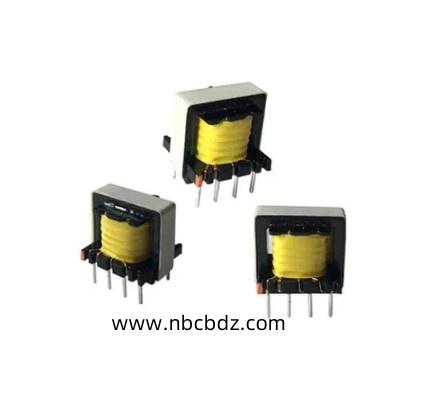
Behind many electrical products is a component that helps adapt incoming power to the needs of a particular circuit. The EI Transformer Factory plays an important role in this process by coordinating magnetic core construction, winding arrangements, insulation, and assembly quality to meet different application requirements. EI transformers are used in various electronic and electrical systems because their core structure supports practical manufacturing and flexible design options. Their suitability, however, depends on more than the recognizable shape of the core; the complete component must work with the surrounding circuit, enclosure, and operating environment.
Material selection begins with the magnetic core. EI cores are typically assembled from E-shaped and I-shaped laminations made from suitable magnetic steel. These layers guide magnetic flux while helping manage energy losses associated with the core. The winding conductors carry current through the transformer, and their arrangement influences the electrical relationship between the primary and secondary sides. Insulating paper, films, bobbins, sleeves, and other protective materials separate conductive sections and support safe construction. Since each material performs a distinct role, manufacturers need to consider compatibility across the entire assembly rather than assessing individual parts in isolation.
The handling of materials also affects the finished product. Core laminations need to be stored and assembled carefully, while winding materials must remain protected from damage during production. Insulation components should be placed consistently, and connection points require attention during assembly. Manufacturers can support these practices through supplier evaluation, incoming material checks, clear work instructions, and process inspections. For buyers, understanding how a supplier controls material quality helps when comparing potential manufacturing partners. A well-documented process can also make it easier to investigate production variations and maintain consistency when components are ordered repeatedly.
Selecting an EI transformer should begin with the function it will perform. Engineers need to identify the electrical requirements of the circuit, the need for isolation, the equipment's operating environment, and the available installation space. They should also consider how the transformer will connect to the rest of the system and whether its mounting arrangement suits the product layout. An industrial control panel, an audio device, and a household appliance may have different priorities even when all use transformers with a similar core structure. Sharing drawings, circuit details, and intended operating conditions helps a manufacturer assess whether a standard design is suitable or customization is necessary.
The transformer's operation depends on electromagnetic induction. Alternating current in the primary winding produces a changing magnetic field in the core, which induces voltage in the secondary winding. The core provides a path for magnetic flux, while the relationship between the windings determines how electrical energy is transferred through the component. Design choices affect heat generation, magnetic behavior, electrical isolation, and possible interference with nearby circuits. Engineers therefore need to consider the transformer as part of the complete electrical system. The characteristics of connected equipment, ventilation, and the surrounding enclosure can all influence the demands placed on the component.
Manufacturing technology turns the design into a repeatable product. Winding equipment helps organize conductors, while suitable fixtures support consistent core assembly and positioning. Insulation placement and lead connections require controlled procedures because small differences in construction can affect assembly quality. Testing is equally important: manufacturers may evaluate electrical continuity, insulation performance, and other characteristics specified for the intended application. Automated equipment can improve repeatability, but effective quality management also relies on trained operators, documented procedures, and appropriate inspection at different production stages. Buyers should look for evidence that quality checks are integrated into manufacturing rather than treated as a final formality.
For equipment designers, the user experience begins with clear technical information and straightforward integration. Accurate drawings, understandable terminal identification, and practical mounting arrangements help engineers plan circuit boards, wiring routes, and enclosures. Maintenance teams also benefit when connections are accessible and component identification is clear. During procurement, timely communication about sample development, design changes, inspection requirements, and production coordination can prevent avoidable misunderstandings. These considerations are especially useful when a transformer is being developed for a new product, because resolving installation questions before production is easier than modifying an established assembly later.
Physical design influences how an EI transformer fits into the finished equipment. Core shape, coil placement, lead direction, mounting features, and protective coverings all affect installation and service access. A design that uses enclosure space efficiently must still allow room for wiring and account for nearby components. Neat construction can make handling and identification easier, while suitable insulation and protective features support the component's intended use. For customized designs, engineers should assess the transformer together with the equipment housing and assembly process, ensuring that electrical function and physical arrangement remain compatible.
Ningbo Chuangbiao Electronic Technology Co., Ltd. identifies EI transformers as a featured part of its electronic transformer range and offers products for different electrical applications. The company states that it selects materials from approved suppliers, uses production equipment and automated testing systems, and conducts quality inspections before shipment. It also develops customized products based on customer drawings or samples. Businesses evaluating an EI transformer can share their circuit requirements, installation plans, and intended operating conditions with the company to discuss an appropriate design. More information is available at https://www.nbcbdz.com/product/.