


 English
 Arabic
 French
 Spanish
 Deutsch
 Turkish
 Dutch
 Italiano
 Russian
 Romaian
 Portuguese (Brazil)
 Greek
Exploring the Design and User Experience of Square Transformers
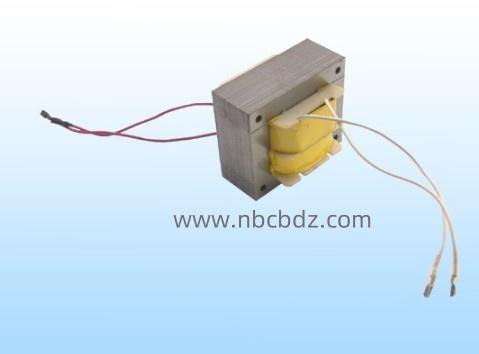
The square transformer is a practical component in many electronic assemblies, where electrical performance must work alongside space planning, mechanical stability, and straightforward installation. When evaluating a Square Transformer Factory, buyers should look beyond the external shape and consider how material selection, production methods, and application requirements influence the finished product. For equipment developers, choosing a suitable manufacturing partner can help align component construction with the needs of the complete system, whether the transformer is intended for control equipment, electronic devices, or other electrical applications.
Material selection provides an important starting point for understanding transformer construction. The magnetic core guides the magnetic flux required for energy transfer, while the winding conductors carry electrical current through the component. Electrical steel is commonly used in many low-frequency transformer designs, whereas ferrite materials are often associated with high-frequency applications. The appropriate choice depends on the intended operating conditions and the design of the surrounding circuit. Insulating materials also deserve careful attention because they separate conductive elements and help maintain electrical integrity. Rather than judging quality by a single material name, buyers should ask how the core, conductor, insulation, and supporting components work together within the intended design.
Selecting a transformer begins with understanding the equipment in which it will operate. Buyers should identify the role of the transformer, the characteristics of the connected circuit, the installation environment, and the expectations for long-term service. A component suitable for one electronic product may not be appropriate for another, even when both applications appear similar. Reviewing technical documentation, connection arrangements, mounting requirements, and applicable compliance expectations can reduce uncertainty before an order is placed. It is also useful to clarify whether the project requires a standard product or a customized design. These discussions give manufacturers a clearer picture of the intended use and help buyers compare offers on a consistent basis rather than relying on appearance or price alone.
The functional design of a transformer involves the coordinated behavior of its magnetic core and windings. Electromagnetic induction enables energy to pass between circuits, while the relationship between the winding arrangement and the core influences how the component performs within the overall electrical system. Manufacturing details matter because inconsistent assembly, unsuitable insulation placement, or poorly managed connections can affect the finished unit. A well-planned production process therefore considers how individual parts are assembled, how the windings are secured, and how the completed component is inspected. For customers developing electronic equipment, discussing these aspects with a supplier can reveal whether its manufacturing approach is aligned with the practical demands of the application.
The experience of using a transformer is often reflected in the equipment around it. Engineers need components that are straightforward to integrate, technicians benefit from clear identification and accessible connections, and maintenance teams value documentation that supports replacement and servicing. A design that fits naturally into an assembly can simplify production planning and reduce unnecessary adjustments during installation. Mechanical stability also matters when the finished equipment may experience movement or vibration. Meanwhile, appropriate insulation and assembly practices help support dependable operation under the conditions for which the component was designed. These practical considerations are especially relevant to manufacturers producing equipment for different markets, because installation methods and service expectations can vary between applications.
External design influences both usability and the way a transformer fits into a finished product. A square or compact form may help equipment designers arrange internal components efficiently, but the outline alone does not determine whether a particular model will fit. Mounting points, terminal direction, lead routing, protective covering, and clearance for neighboring parts should all be reviewed during development. Surface finish and component labeling can also contribute to a more organized assembly, making product identification and routine servicing easier. When a transformer is integrated into a larger enclosure, its appearance should support the product's overall layout without compromising access, ventilation, or electrical separation. Early coordination between the component supplier and equipment designer can prevent avoidable changes later in the development process.
Communication with a manufacturer is another important part of procurement. Buyers can prepare a clear product brief describing the intended application, operating environment, circuit requirements, installation preferences, and documentation needs. They should also ask how design changes are reviewed, how product consistency is managed, and what information accompanies completed orders. For repeat purchasing, clear records of the approved construction and agreed requirements can make future communication more efficient. Samples or engineering reviews may also help teams confirm compatibility before incorporating a component into a wider production program. These steps are useful for both established equipment manufacturers and businesses developing a new product line.
Ningbo Chuangbiao Electronic Technology Co., Ltd. serves the electronic transformer sector, where component selection and manufacturing coordination are important to product development. Buyers exploring transformer solutions can review their application needs alongside material choices, assembly requirements, connection preferences, and integration considerations before discussing a suitable product with the supplier. A thoughtful technical inquiry helps establish a shared understanding of the intended use and the expectations for the finished component. To learn more about the company's available transformer products and identify options for a particular electronic or industrial application, visit https://www.nbcbdz.com/product/ and review the product information before contacting the company with project requirements.